
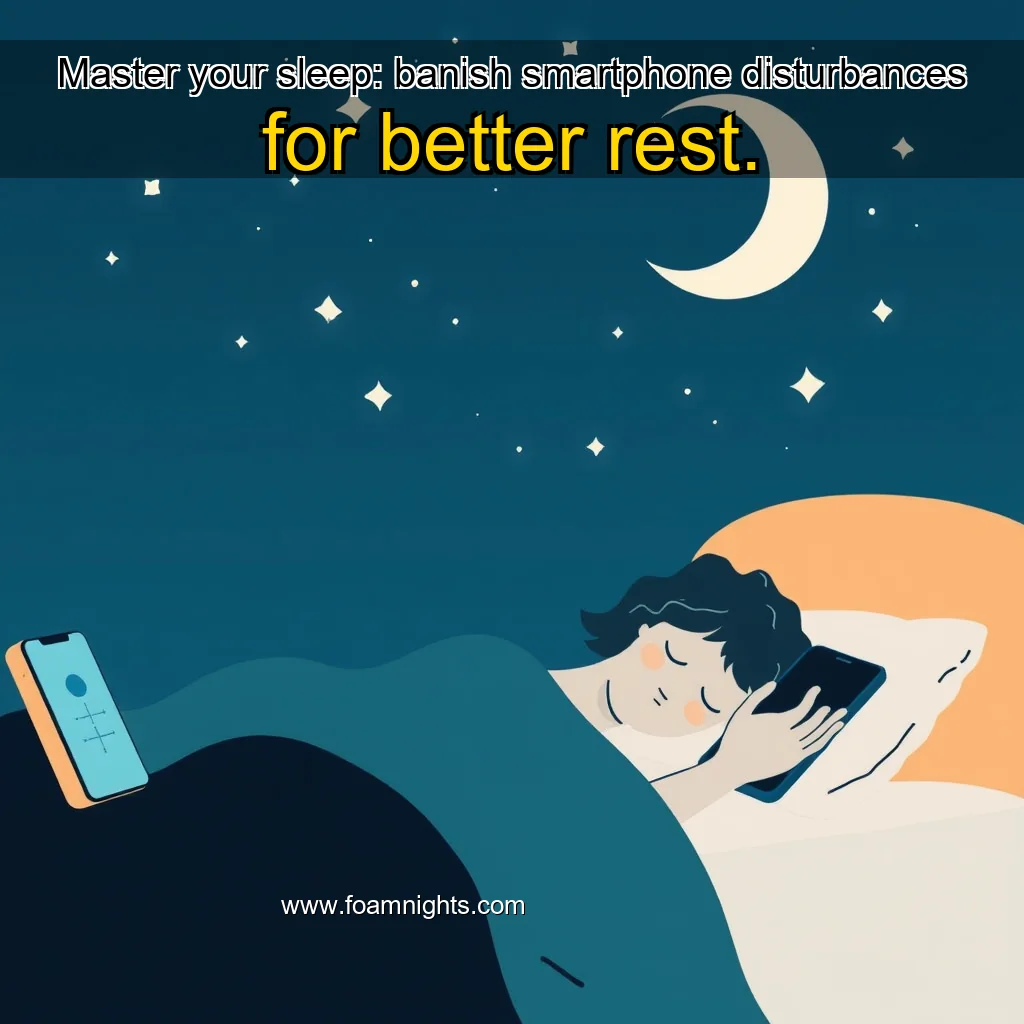
The effects of sleep deprivation can be seen in various aspects of life, from physical health to mental well-being.
The Impact of Sleep Deprivation on Physical Health
Sleep plays a crucial role in maintaining physical health. During sleep, the body repairs and regenerates tissues, builds bone and muscle, and strengthens the immune system.
This attachment is not only affecting their mental health but also their physical well-being.
The Impact of Smartphones on Mental Health
The constant availability of smartphones has led to a culture of instant gratification, where people expect immediate responses and constant connectivity. This has resulted in a significant increase in anxiety, depression, and stress levels among young adults.
This disruption can lead to sleep disorders, such as insomnia and sleep apnea.
The Science Behind Sleep Interference
Blue light, emitted by smartphones, is a form of high-energy visible (HEV) light with a wavelength of around 400-450 nanometers. This range of light is particularly effective at suppressing melatonin production. Studies have shown that exposure to blue light in the evening can delay the release of melatonin, making it harder to fall asleep. Key findings:
- Exposure to blue light in the evening suppresses melatonin production. Delayed melatonin release can lead to disrupted circadian rhythms. Disrupted circadian rhythms can cause sleep disorders, such as insomnia and sleep apnea.
A study published in the Journal of Clinical Sleep Medicine found that wearing blue light filtering glasses at night may reduce sleep latency and improve sleep quality.
You Might Also Enjoy: How to Use neoprene foam to Protect Your Joints or Facilitate Physical TherapyBlue Light Exposure and Sleep
Blue light, a type of high-energy visible (HEV) light, is emitted by digital devices such as smartphones, tablets, and computers. Prolonged exposure to blue light in the evening can disrupt the body’s natural sleep-wake cycle, also known as the circadian rhythm. This disruption can lead to difficulty falling asleep, insomnia, and other sleep-related problems.
The Science Behind Blue Light Exposure
- Blue light is a type of electromagnetic radiation that is perceived by the eye as blue or violet light. Digital devices emit blue light as a byproduct of their operation. The amount of blue light emitted by devices can vary depending on the type of device and the time of day. ## Reducing Blue Light Exposure*
Reducing Blue Light Exposure
Strategies for Reducing Blue Light Exposure
- Use blue light filtering glasses: These glasses can help reduce blue light exposure by filtering out the high-energy visible light emitted by digital devices. Adjust device settings: Many devices have built-in features that allow users to adjust the color temperature of the screen to reduce blue light emission. Use night mode: Many devices have a built-in night mode that reduces blue light emission and can help improve sleep quality.
A consistent sleep schedule is also crucial for a good night’s sleep. Going to bed and waking up at the same time every day, including weekends, helps regulate the body’s internal clock.
Establishing a Consistent Presleep Routine
A consistent presleep routine is essential for a good night’s sleep. This routine helps signal to your body and brain that it’s time to wind down and prepare for sleep.
Establishing a consistent sleep schedule and creating a sleep-conducive environment are crucial for a restful night’s sleep.
The Importance of Sleep for Physical and Mental Health
Sleep is a vital component of overall health, playing a critical role in both physical and mental well-being. During sleep, the body repairs and regenerates tissues, builds bone and muscle, and strengthens the immune system.
Screen-Free Bedtime Routine: The Key to Better Sleep and a Healthier You.
The Importance of a Screen-Free Bedtime Routine
In today’s digital age, it’s easy to get caught up in the convenience of screens before bed. However, research has shown that exposure to screens before bedtime can have negative effects on our physical and mental health. The American Academy of Pediatrics recommends no screens in the hour before bed, and for good reason.
The Science Behind the Problem
- Exposure to screens before bed can suppress the production of melatonin, the hormone that regulates our sleep-wake cycles. The blue light emitted by screens can also interfere with our body’s natural production of melatonin, making it harder to fall asleep. Furthermore, screens can be a source of stress and anxiety, making it difficult to wind down and relax before bed. ### The Benefits of a Screen-Free Bedtime Routine*
The Benefits of a Screen-Free Bedtime Routine
- Improved sleep quality: By avoiding screens before bed, you can improve the quality of your sleep and wake up feeling more rested and refreshed. Reduced stress and anxiety: A screen-free bedtime routine can help you relax and unwind, reducing stress and anxiety. Increased productivity: By getting a good night’s sleep, you can be more productive and focused during the day. ### Tips for Establishing a Screen-Free Bedtime Routine*
Tips for Establishing a Screen-Free Bedtime Routine
- Designate a screen-free zone: If you can’t designate a separate space, try changing an element of decor to signal a shift. Use a blue light filter: Many devices and apps offer blue light filters that can help reduce the negative effects of screens before bed.
The Benefits of Using a Smartwatch or Fitness Tracker for Sleep Tracking
Smartwatches and fitness trackers have become increasingly popular in recent years, and for good reason. Not only do they provide a convenient way to track daily activity and monitor heart rate, but they also offer a range of features that can help improve sleep quality.
Story editing by Carren Jao. Copy editing by Paris Close. Photo selection by Ania Antecka.
news is a contributor at FoamNights. We are committed to providing well-researched, accurate, and valuable content to our readers.
You May Also Like