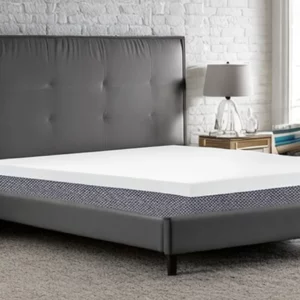

Sleeping position affects pressure points and mattress support, leading to discomfort and pain.
However, the same comfort can be compromised when you sleep on your back or stomach.
The Importance of Sleeping Position
Sleeping position plays a significant role in determining the comfort and support of a mattress. The way you sleep affects the pressure points on your body, which can lead to discomfort, pain, and even long-term damage to your joints and muscles.
Pressure Points and Mattress Support
- Back pain
- Neck pain
- Shoulder pain
- Joint pain
- Muscle strain
The Impact of Sleeping Position on Mattress Support
The Pressure Relief Advantage
Soft mattresses are renowned for their ability to provide pressure relief, which is especially beneficial for side sleepers. When you sleep on your side, your body weight is concentrated on a smaller area, causing pressure points to form. A soft mattress can absorb this pressure, allowing your body to sink in and relax.
However, they can be challenging to maintain and may not be suitable for back sleepers.
Types of Soft Mattresses
Soft mattresses come in various types, each with its unique characteristics and benefits. Memory Foam Mattresses: These mattresses are made from a type of polyurethane foam that conforms to the shape of your body. They provide excellent pressure relief and are often recommended for side sleepers. Hybrid Mattresses: These mattresses combine the comfort of soft materials with the support of innerspring coils. They offer a balance of pressure relief and edge support. * Latex Mattresses: These mattresses are made from natural or synthetic latex and are known for their breathability and durability. They can be a good option for back sleepers who prefer a softer mattress.**
Benefits of Soft Mattresses
Soft mattresses offer several benefits, including:
Challenges of Soft Mattresses
While soft mattresses offer several benefits, they also have some challenges:
The Importance of Support in a Mattress
A mattress that provides adequate support is essential for a restful night’s sleep. When a mattress fails to offer sufficient support, it can lead to a range of issues, including back pain, stiffness, and even long-term damage to the spine.
The Science Behind Support
When we sleep, our bodies are subjected to various forces that can affect the spine and joints. A mattress that provides adequate support helps to distribute these forces evenly, reducing the pressure on the spine and joints. This is particularly important for heavier sleepers, who may experience more pressure on their joints due to their weight. Factors that can affect a mattress’s ability to provide support include: + Material density: A denser material can provide better support than a less dense one. + Layering: A mattress with multiple layers can provide better support than a single-layer mattress.
Pressure Relief and Support for Side Sleepers Are Key to a Comfortable Night’s Sleep.
The Importance of Choosing the Right Mattress for Side Sleepers
As a side sleeper, you’re likely no stranger to the discomfort of waking up with aches and pains in your shoulders, hips, and knees. The pressure points caused by sleeping on a mattress that’s not designed for side sleepers can lead to chronic pain and discomfort. However, the right mattress can make all the difference.
Key Features to Look for in a Mattress for Side Sleepers
When shopping for a mattress, there are several key features to look for to ensure you find the right one for side sleepers. Here are some of the most important considerations:
Characteristics of a Soft Mattress for Side Sleepers
A soft mattress can provide the necessary pressure relief and comfort for side sleepers. However, it’s essential to consider the following characteristics when searching for a soft mattress:
What to Look for in a Soft Mattress
When searching for a soft mattress, consider the following factors:
Common Soft Mattress Options
Some popular soft mattress options for side sleepers include:
This is where the importance of a supportive mattress comes in.
The Importance of Support
A supportive mattress is not just about comfort; it’s about providing the necessary support to keep the spine aligned and promote proper posture.
The Science Behind Memory Foam
Memory foam is a type of polyurethane foam that is designed to conform to the shape of the body. It is made up of tiny particles that are suspended in a liquid and then cured to create a solid foam. The unique properties of memory foam make it an ideal material for mattresses, as it can provide support and pressure relief for the body.
How Memory Foam Works
Memory foam is made up of tiny particles that are suspended in a liquid and then cured to create a solid foam. The particles are made up of a type of polyurethane called polyol, which is a flexible and responsive material. When the foam is subjected to pressure, the particles are compressed and then slowly return to their original shape, providing support and pressure relief. The foam is designed to conform to the shape of the body, providing a customized fit for each individual.
The Benefits of Memory Foam Mattresses
Memory foam mattresses have several benefits that make them an attractive option for many people. Some of the key benefits include:
The Science Behind Pressure Relief
Pressure relief is a critical aspect of a mattress’s performance. It refers to the degree to which a mattress can reduce the pressure points on the body. When a person lies down on a mattress, their body weight is distributed across the surface. The mattress must be able to absorb and distribute this weight evenly to provide adequate pressure relief. Factors that affect pressure relief include: + The type of materials used in the mattress + The density of the materials + The thickness of the mattress + The firmness of the mattress
The Role of Materials in Pressure Relief
The type of materials used in a mattress plays a significant role in determining its pressure-relieving capabilities. Different materials have varying levels of density, firmness, and breathability, which can impact how well they absorb and distribute pressure. Common materials used in mattresses and their pressure-relieving properties: + Memory foam: excellent pressure relief, but can retain heat + Latex: good pressure relief, breathable, and durable + Innerspring: moderate pressure relief, but can be less breathable + Hybrid: combines different materials for optimal pressure relief
The Impact of Firmness on Pressure Relief
The firmness of a mattress also affects its ability to provide pressure relief. A firmer mattress can provide better support and pressure relief for heavier individuals, while a softer mattress may be more suitable for lighter individuals. Factors that influence firmness: + The type of materials used + The density of the materials + The thickness of the mattress
The Importance of Thickness
The thickness of a mattress is also crucial in determining its pressure-relieving capabilities.

news is a contributor at FoamNights. We are committed to providing well-researched, accurate, and valuable content to our readers.