Chilling AI images shows brutal physical toll sleep deprivation takes on your body
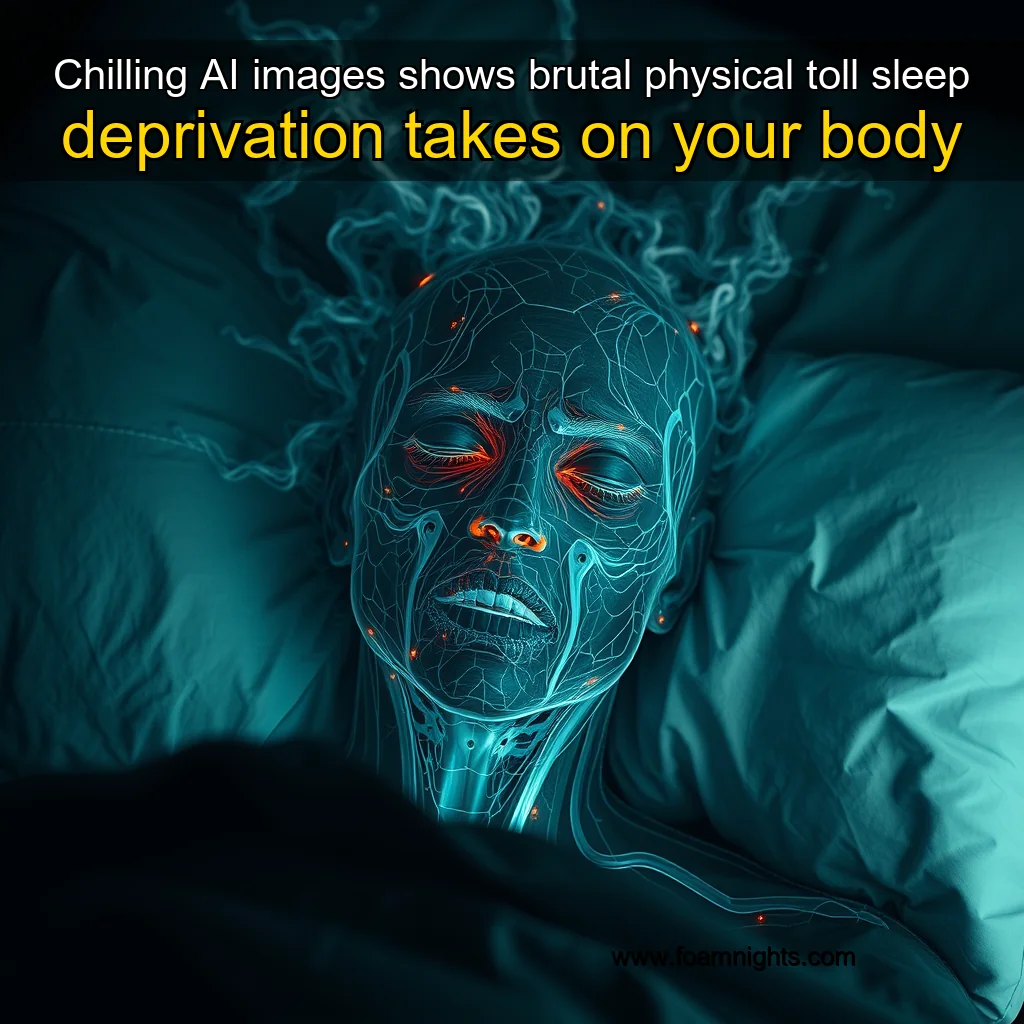
Sleep is crucial for overall health and well-being.
The survey was conducted online and took approximately 15 minutes to complete.
The Study’s Objective
The primary objective of the study was to investigate the relationship between sleep duration and various aspects of daily life, including physical and mental health, work performance, and overall well-being.
Key Findings
The Impact of Sleep on Daily Life
Sleep plays a crucial role in maintaining physical and mental health, and its effects can be felt across various aspects of daily life. The study’s findings suggest that inadequate sleep can have significant consequences, including:
The Importance of Prioritizing Sleep
Given the study’s findings, it is clear that prioritizing sleep is essential for maintaining overall health and well-being.
55%).
The Sleep Crisis in the UK
The UK is facing a significant sleep crisis, with a substantial proportion of the population not getting enough restful sleep.
The Impact of Aging on Skin Health
As we age, our skin undergoes a series of changes that can affect its health and appearance. One of the most significant effects of aging on skin health is the increase in skin conditions such as eczema and psoriasis. In this article, we will explore the impact of aging on skin health, focusing on the effects of aging on skin conditions and the importance of maintaining good skin health.
The Rise of Eczema and Psoriasis in Older Adults
The data suggests that those aged between 35-44 saw the most significant effects, with nearly half (44%) reporting an increase in facial eczema. This is a chronic skin condition that can cause redness, itching, and inflammation. Eczema can be triggered by a variety of factors, including genetics, environmental factors, and skin conditions. Factors that contribute to eczema include: + Genetics + Environmental factors (e.g. pollution, climate change) + Skin conditions (e.g. acne, rosacea) + Allergies + Stress Those aged 18 to 34 experienced more severe problems, with over half of this age group reporting experiencing psoriasis on their arms.
The Relationship Between Sleep and Weight
Sleep deprivation has been linked to various health issues, including weight gain and obesity. Research suggests that sleep plays a crucial role in regulating hunger hormones, metabolism, and appetite. When we don’t get enough sleep, our bodies produce more ghrelin, a hormone that stimulates appetite, and less leptin, a hormone that suppresses appetite. This can lead to overeating and weight gain.
The Science Behind Sleep and Weight Regulation
The Impact of Sleep on Belly Fat
Sleep plays a crucial role in regulating various physiological processes, including metabolism, hormone secretion, and inflammation. When we don’t get enough sleep, our bodies undergo a range of changes that can lead to weight gain, particularly around the midsection.
The Science Behind Sleep and Belly Fat
Research has shown that sleep deprivation can disrupt the balance of hormones that regulate hunger and fullness. This can lead to increased levels of ghrelin, a hormone that stimulates appetite, and decreased levels of leptin, a hormone that suppresses appetite. As a result, people who don’t get enough sleep may experience increased cravings for high-calorie foods, leading to weight gain. Key findings:
- Sleep deprivation increases ghrelin levels
- Sleep deprivation decreases leptin levels
- Increased ghrelin and decreased leptin can lead to increased appetite and weight gain
- Sleep deprivation reduces insulin production
- Reduced insulin production can lead to insulin resistance
- Insulin resistance can lead to increased fat storage around the midsection
- Older adults, particularly those over 35, are more likely to experience sensitive skin and dry, flaky skin. Women, especially those in the older age group, are more prone to eczema and dermatitis. The exact reasons for this disparity are not fully understood, but it is believed that hormonal changes, lifestyle factors, and genetic predisposition may contribute to the increased risk.
- Eczema and dermatitis can cause feelings of embarrassment, anxiety, and depression.
A medium-firm mattress is often preferred by people who have back pain or other musculoskeletal issues.
The Importance of Sleep and Mattress Quality
Sleep is a vital component of our overall health and wellbeing. During sleep, our bodies repair and rejuvenate themselves, and our brains process and consolidate memories. However, many of us are not getting enough sleep, and this can have serious consequences for our physical and mental health.
The Consequences of Insufficient Sleep
- Lack of sleep can lead to impaired cognitive function, including difficulty concentrating and making decisions. Insufficient sleep can also lead to increased risk of chronic diseases, such as diabetes, high blood pressure, and cardiovascular disease. Furthermore, lack of sleep can lead to a weakened immune system, making us more susceptible to illness and infection.
- A medium-firm mattress provides the right amount of support and pressure relief for most people. It can help to alleviate back pain and other musculoskeletal issues. A medium-firm mattress can also help to improve sleep quality and duration.
The Role of Sleep in Metabolism
Sleep also plays a critical role in regulating metabolism. When we don’t get enough sleep, our bodies produce less insulin, a hormone that regulates blood sugar levels. This can lead to insulin resistance, a precursor to type 2 diabetes. Insulin resistance can also lead to increased fat storage around the midsection. Key findings:
The Impact of Sleep on Inflammation
Sleep also has a significant impact on inflammation, which is a major contributor to belly fat.
Lack of sleep can also lead to increased cortisol levels, which can contribute to weight gain.
The Science Behind Late-Night Eating
Late-night eating is a common phenomenon, especially among young adults.
The Prevalence of Eczema and Dermatitis
Eczema and dermatitis are two common skin conditions that affect millions of people worldwide. According to recent studies, approximately half of the population experiences eczema and/or dermatitis at some point in their lives. This prevalence is not limited to any particular age group or demographic, but it is more noticeable in certain populations.
Age and Gender
The Impact of Eczema and Dermatitis
Eczema and dermatitis can have a significant impact on a person’s quality of life. The symptoms can be uncomfortable, painful, and affect daily activities. In severe cases, eczema and dermatitis can lead to complications such as skin infections, scarring, and even mental health issues.
Emotional and Social Consequences
The Impact of Mattress Quality on Sleep
A good night’s sleep is essential for our physical and mental health. However, many of us are not getting the quality sleep we need due to poor mattress quality. A medium-firm mattress is generally considered to be best for most people.
The Benefits of a Medium-Firm Mattress
The Connection Between Sleep and Muscle Deterioration
Insufficient sleep can have serious consequences for our physical health. One of the most significant effects of lack of sleep is muscle deterioration.