Expert warns against popular sleeping position that causes back and neck pain and can even stop you breathing
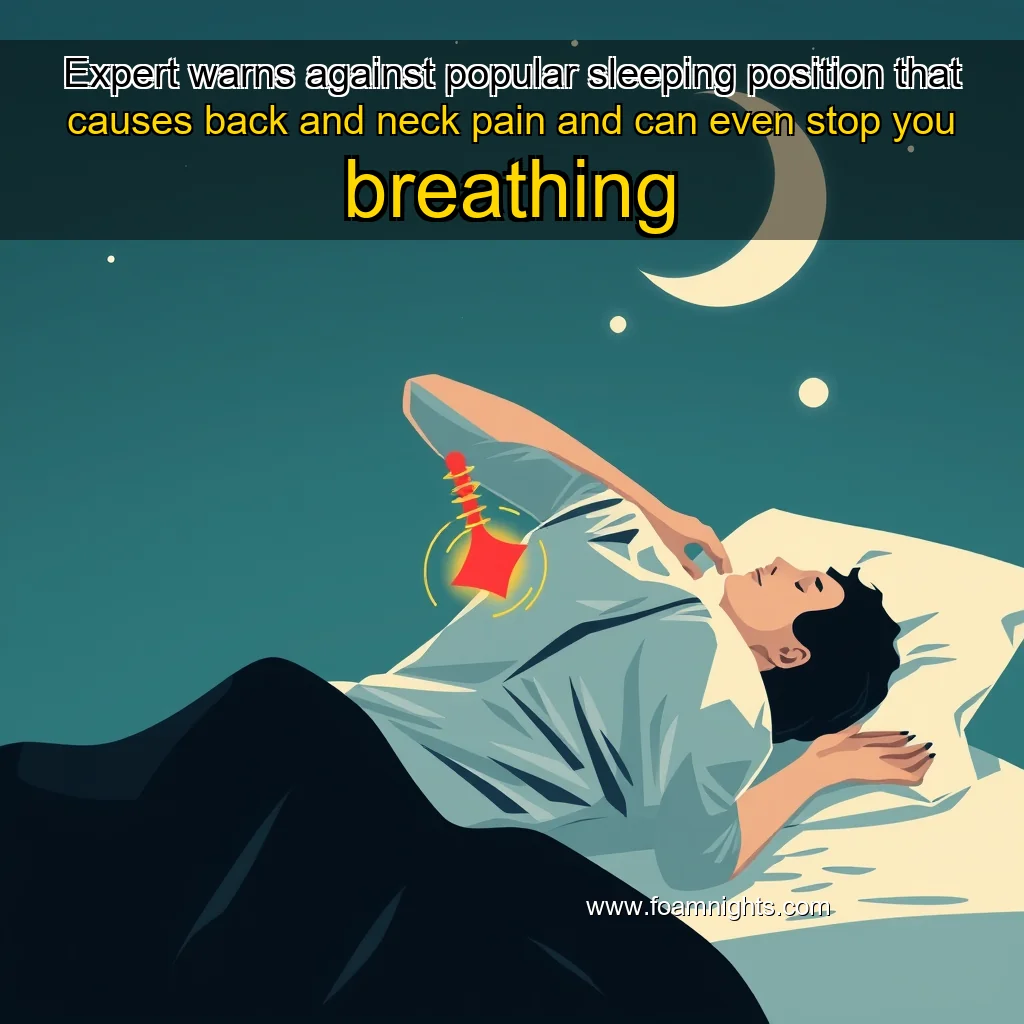
The Risks of Bringing One Leg Up in Bed
The Science Behind the Risk
When you bring one leg up in bed, you may be putting your spine at risk. Research suggests that this action can cause your pelvis to rotate, leading to strain on your lower back and potentially misaligning your spine. This can have long-term effects on your posture and overall health. The rotation of the pelvis can put pressure on the joints and muscles in your lower back, leading to discomfort and pain. Misalignment of the spine can also lead to issues with breathing and digestion, as the diaphragm and abdominal organs are affected by the altered spinal alignment.*
The Expert’s Warning
According to Dr. [Name], a leading expert in spinal health, “When you bring one leg up in bed, you’re essentially creating a new position that can put your spine in a compromised state. This can lead to a range of problems, from back pain to breathing difficulties.”
The Importance of Proper Sleeping Position
To avoid the risks associated with bringing one leg up in bed, it’s essential to adopt a proper sleeping position. This can help maintain the natural alignment of your spine and reduce the risk of strain on your lower back. Sleeping on your back with a pillow under your knees can help take pressure off your lower back and maintain the natural curve of your spine.
The Importance of Proper Posture
Proper posture is essential for maintaining overall health and well-being. When we adopt good posture, we reduce the risk of developing musculoskeletal disorders and alleviate discomfort in the neck, back, and other areas of the body. Good posture also improves breathing and reduces the risk of respiratory problems.
The Effects of Poor Posture
On the other hand, poor posture can have severe consequences on our health. When we slouch or hunch over, we put unnecessary strain on our muscles, leading to fatigue, pain, and discomfort. Poor posture can also lead to long-term damage to our joints and muscles, increasing the risk of chronic pain and musculoskeletal disorders.
Common Causes of Poor Posture
However, it’s not the only sleep position that’s beneficial for your health.
The Benefits of Sleeping on Your Back
Sleeping on your back can have numerous benefits for your overall health and well-being. Here are some of the advantages of sleeping on your back:
The Risks of Sleeping on Your Side
While sleeping on your back can be beneficial, sleeping on your side can also have its drawbacks.
A new study has found that sleep deprivation can lead to a decrease in the production of a protein called interleukin-1 beta, which plays a crucial role in the body’s immune response.
The Prevalence of Insomnia in the UK
Insomnia is a widespread issue in the UK, with one in six Brits suffering from it. This staggering statistic highlights the need for greater awareness and support for those affected. Despite the prevalence of insomnia, many individuals do not seek help, with 65 per cent of those suffering from the condition remaining undiagnosed and untreated.
The Impact of Insomnia on Physical Health
Insomnia has been linked to a range of physical health problems, including an increased risk of cancer. Research has shown that chronic sleep deprivation can lead to a weakened immune system, making individuals more susceptible to illnesses.
Sleep disorders can be broadly categorized into two main types: sleep apnea and insomnia.
Types of Sleep Disorders
Sleep Apnea
Sleep apnea is a serious sleep disorder that affects approximately 22 million Americans.