
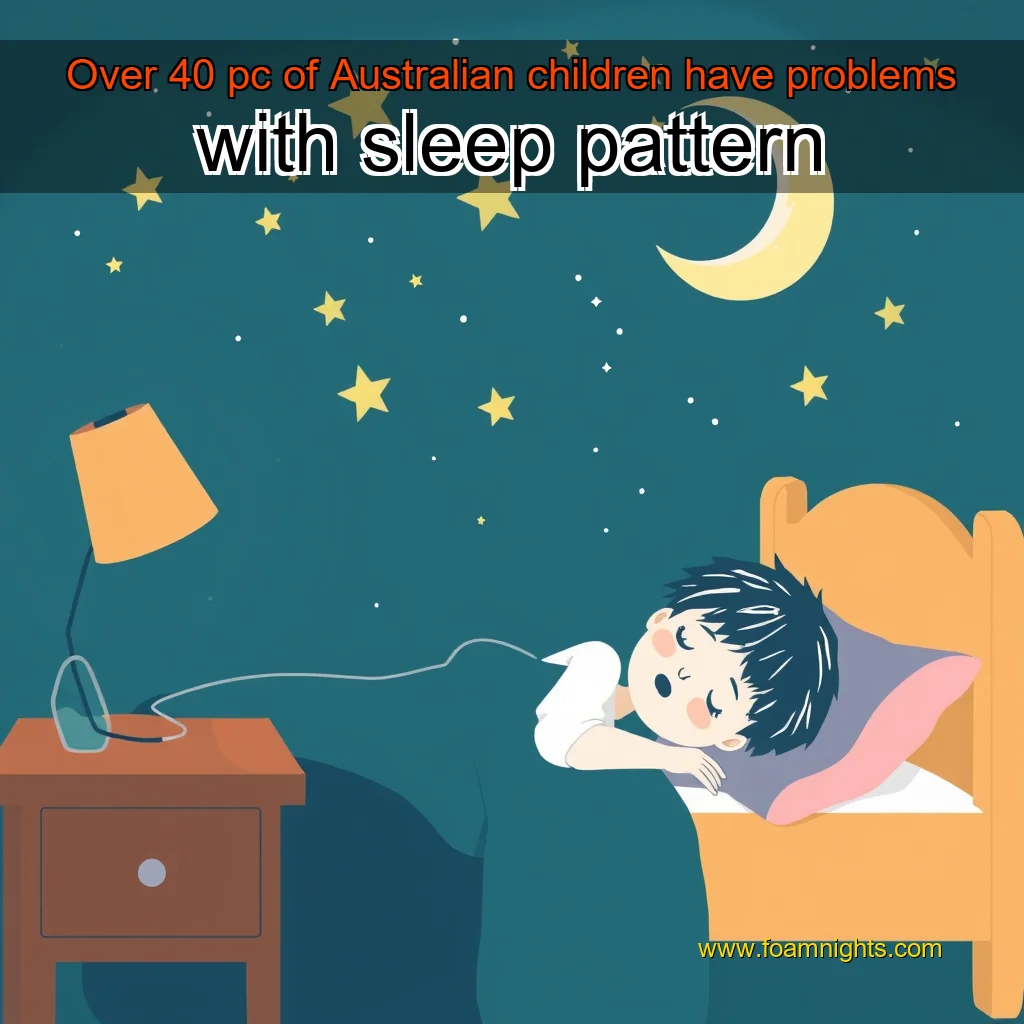
21 per cent of parents believe that screen time before bed is beneficial for children’s sleep.
The Sleep Conundrum in Australian Children
The Prevalence of Sleep Problems
Sleep problems are a widespread issue among Australian children. A survey conducted by Melbourne’s Royal Children’s Hospital found that 42% of children aged 5-17 have difficulty sleeping. This staggering statistic highlights the need for awareness and action to address this pressing concern. The survey also revealed that 21% of children do not get enough sleep, which can have severe consequences on their physical and mental health. Furthermore, 47% of parents believe that screen time before bed helps children to wind down, while 21% of parents think that screen time before bed is beneficial for children’s sleep.*
The Impact of Screen Time on Sleep
The relationship between screen time and sleep is complex and multifaceted. While some parents may believe that screen time before bed helps children to wind down, research suggests that it can have the opposite effect. Exposure to screens before bed can suppress the production of melatonin, the hormone responsible for regulating sleep. Additionally, the blue light emitted by screens can interfere with the body’s natural sleep-wake cycle, making it harder for children to fall asleep.*
Strategies for Improving Sleep
Fortunately, there are several strategies that parents can use to improve their child’s sleep. Some effective approaches include:
“It’s not just about getting enough sleep, but also about getting the right amount of sleep.”
The Sleep Conundrum: Separating Fact from Fiction
The notion that teenagers need less sleep than adults has been a long-standing myth. However, recent studies have revealed that this assumption is not only incorrect but also detrimental to the health and well-being of young people.
The Science Behind Sleep
Sleep is a complex process that plays a crucial role in physical and mental restoration. During sleep, the body repairs and regenerates tissues, builds bone and muscle, and strengthens the immune system.
Lack of sleep can also lead to a range of physical symptoms, including headaches, fatigue, and difficulty concentrating.
The Impact of Sleep Deprivation on Physical Health
Sleep plays a crucial role in maintaining physical health. During sleep, the body repairs and regenerates tissues, builds bone and muscle, and strengthens the immune system. When we don’t get enough sleep, our bodies can’t perform these essential functions, leading to a range of physical symptoms. Headaches and migraines
The Impact of Sleep Deprivation on Mental Health
Sleep deprivation can also have a significant impact on mental health. Lack of sleep can lead to mood problems, such as irritability, anxiety, and depression.

news is a contributor at FoamNights. We are committed to providing well-researched, accurate, and valuable content to our readers.