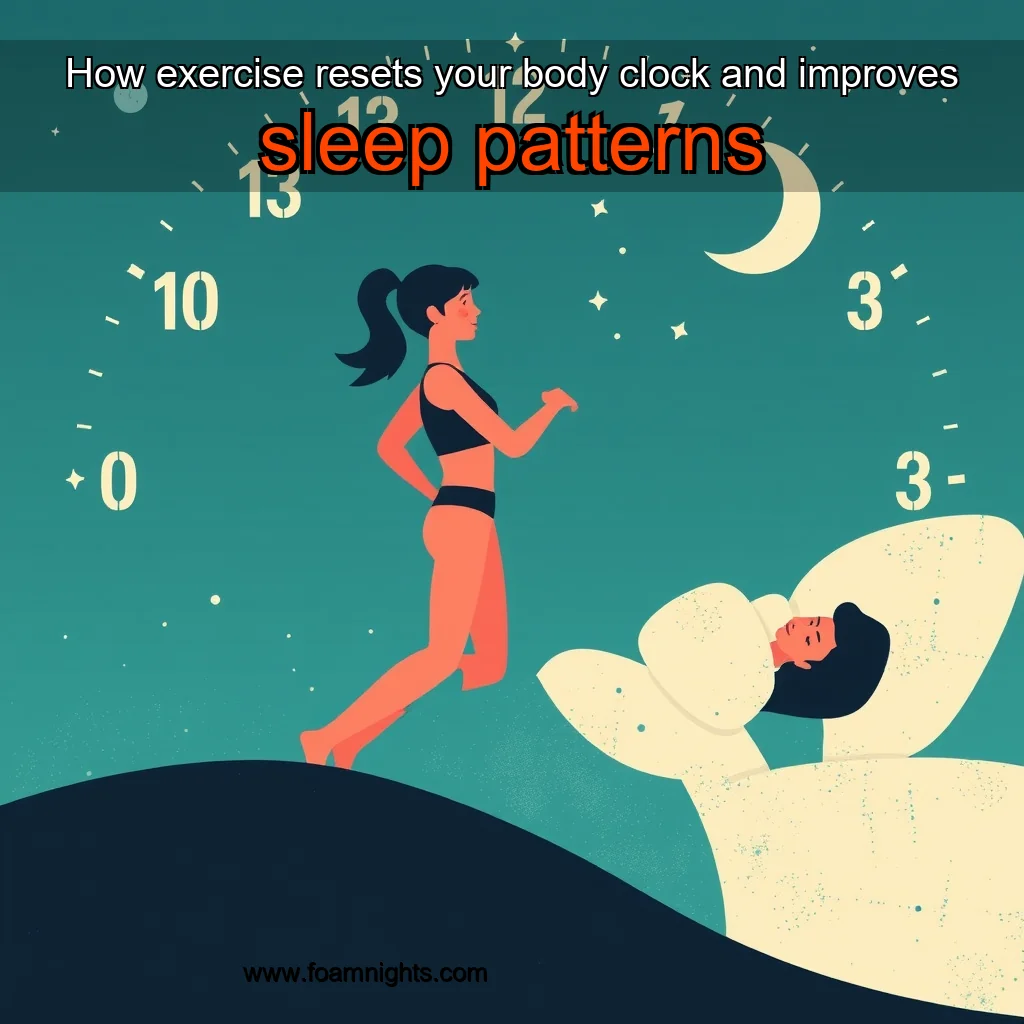
Regular exercise can improve sleep quality by reducing symptoms of insomnia and other sleep disorders.
Regular exercise can also improve sleep quality by reducing symptoms of insomnia and other sleep disorders.
The Benefits of Exercise for Sleep
Physical and Mental Health Benefits
Exercise has numerous benefits for sleep, including:
How Exercise Affects the Body
When we exercise, our bodies undergo a series of physiological changes that can impact our sleep. Here are some of the ways exercise can affect the body:
Examples of dynamic exercise include yoga, Pilates, and dance.
The Benefits of Aerobic Exercise
Aerobic exercise has numerous benefits for the body and mind. Regular aerobic exercise can help reduce the risk of chronic diseases such as heart disease, type 2 diabetes, and some types of cancer. Aerobic exercise can also improve cardiovascular health by strengthening the heart and increasing blood flow. Lowers blood pressure
Aerobic exercise can also have a positive impact on mental health. Regular aerobic exercise has been shown to reduce symptoms of anxiety and depression. Aerobic exercise can also improve sleep quality and reduce stress levels.
The Benefits of Anaerobic Exercise
Anaerobic exercise, on the other hand, has its own set of benefits. Anaerobic exercise can help build muscle strength and mass, which can improve overall physical fitness. Anaerobic exercise can also improve bone density, reducing the risk of osteoporosis. Increases muscle strength
The Benefits of Dynamic Exercise
Dynamic exercise, which involves moving joints, has been shown to have numerous health benefits.
Regular exercise can help regulate weight and improve overall health.
Regular exercise can also improve sleep quality, boost energy levels, and enhance cognitive function.
The Importance of Exercise for Weight Regulation
Exercise is a crucial component of maintaining a healthy weight. It plays a vital role in regulating weight by preventing excessive gain and supporting weight loss. In this article, we will explore the importance of exercise for weight regulation and its numerous benefits.
Benefits of Exercise for Weight Regulation
Timing is everything when it comes to sleep and exercise.
The Science Behind Sleep and Exercise
Sleep and exercise are two essential components of a healthy lifestyle. While it may seem counterintuitive, regular exercise can actually help improve sleep quality. However, the timing of exercise in relation to sleep is crucial.
The Role of Melatonin
Melatonin is a hormone produced by the pineal gland that regulates sleep-wake cycles. It typically starts to rise in the evening, helping individuals fall asleep. However, exercise can affect melatonin production. Research suggests that intense exercise, especially within a few hours of bedtime, can suppress melatonin production, making it harder to fall asleep.
The Impact of Timing on Sleep
The timing of exercise in relation to sleep is critical. Exercise that is done too close to bedtime can interfere with the body’s natural sleep-wake cycle. Here are some key points to consider:
Exercise can help reduce stress and anxiety, leading to improved sleep quality.
Regular physical activity can also improve sleep quality by increasing the amount of deep sleep and rapid eye movement (REM) sleep.
The Benefits of Regular Exercise for Sleep
Regular exercise is a well-established method for improving sleep quality. While it may seem counterintuitive, exercise can actually help improve sleep by reducing stress and anxiety, which are common causes of insomnia and other sleep disorders.
How Exercise Reduces Stress and Anxiety
Exercise has a profound impact on the body’s stress response system. When we exercise, our body releases endorphins, which are natural chemicals that act as painkillers and mood elevators.
Exercise is a powerful tool for managing mental health and reducing stress.
Regular exercise can also help regulate the body’s circadian rhythms, which can be disrupted by irregular sleep patterns.
The Psychological Benefits of Exercise
Exercise has a profound impact on mental health, extending beyond the physical benefits to positively influence emotional well-being. Regular physical activity can reduce symptoms of anxiety and depression, improve mood, and enhance overall psychological resilience. Reducing stress and anxiety: Exercise has been shown to decrease the production of stress hormones like cortisol, leading to a decrease in anxiety and stress levels. Improving sleep quality: Regular physical activity can help regulate sleep patterns, reducing the risk of sleep disorders and improving overall sleep quality.
Improved circulation can help alleviate symptoms of RLS by reducing inflammation and promoting relaxation.
The Science Behind Aerobic Exercise and RLS
Aerobic exercise has been shown to have a positive impact on the symptoms of restless leg syndrome (RLS). While the exact mechanisms behind this relationship are not fully understood, research suggests that aerobic exercise can help reduce symptoms of RLS by improving blood circulation and reducing inflammation. Key benefits of aerobic exercise for RLS include:
How Aerobic Exercise Can Help with RLS Symptoms
Aerobic exercise can help alleviate symptoms of RLS in several ways. By improving blood circulation, aerobic exercise can help reduce inflammation and promote relaxation. This can lead to a decrease in the frequency and severity of RLS symptoms. Some of the ways aerobic exercise can help with RLS symptoms include:
The Role of Exercise in RLS Management
Exercise is an important component of RLS management. Regular aerobic exercise can help reduce symptoms of RLS and improve overall quality of life.
The Relationship Between Exercise and Sleep
Exercise is a widely recognized factor that can influence sleep patterns, but the nature of this relationship is complex and not yet fully understood. While regular physical activity is often associated with improved sleep quality, the mechanisms underlying this relationship are still being researched.
The Physiological Effects of Exercise on Sleep
Exercise can have both positive and negative effects on sleep, depending on the intensity, duration, and timing of physical activity.
Physical activity can be a powerful tool for improving sleep quality and duration.
Physical Activity and Sleep: A Powerful Combination
Physical activity is often viewed as a standalone solution for improving overall health and well-being. However, research suggests that physical activity can also have a profound impact on sleep quality and duration. In fact, studies have shown that regular physical activity can lead to improved sleep quality, increased sleep duration, and enhanced overall sleep hygiene.
The Science Behind Physical Activity and Sleep
So, how does physical activity affect sleep? The answer lies in the complex interplay between physical activity, the body’s circadian rhythms, and the release of hormones that regulate sleep and wakefulness. When we engage in physical activity, our bodies undergo a series of physiological changes that can help regulate our sleep-wake cycles. Increased melatonin production: Physical activity can stimulate the production of melatonin, the hormone responsible for inducing sleepiness. Regulation of body temperature: Exercise can help regulate body temperature, which is essential for inducing sleep. * Release of sleep-promoting hormones: Physical activity can stimulate the release of hormones such as growth hormone and insulin-like growth factor-1 (IGF-1), which promote sleep and relaxation.**
The Benefits of Physical Activity for Sleep
The benefits of physical activity for sleep are numerous and well-documented. Some of the most significant advantages include:

news is a contributor at FoamNights. We are committed to providing well-researched, accurate, and valuable content to our readers.